
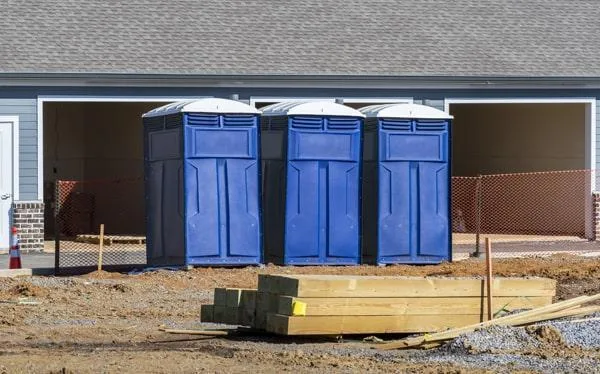
Describe the phase that needs facilities now
A project’s final workforce is not necessarily the workforce using the site today. Plan portable facilities around occupied work areas, overlapping shifts and usable permanent bathrooms, then identify what will change when another phase begins.
List current crews, their occupied hours and the bathrooms they are permitted to use. Standard cabins can provide the basic toilet function; include accessible needs and a separate washing function in the same discussion.
Keep a later projected expansion distinct from the current request. The provider needs to know both the immediate need and the likely change, without treating a forecast as already-present demand.
Compare a common point with additional positions
A shared point can work when crews can reach it appropriately. Opening a separate work area may justify reviewing the position or adding supported provision, even if total headcount hardly changes. Walking routes and barriers matter alongside numbers.
Ask the property controller and provider to review ground, handling space and the service approach before the next phase occupies them. Do not assume units can be moved by the crew when construction reaches their original position.
Agree how a phase change is requested
Record the accepted equipment, placement and current care plan, including waste service, cleaning, paper and washing supplies. Name the person who can communicate a phase change and the information the provider needs before adjusting the arrangement.
The quotation should cover current duration, delivery and collection and identify any later work still conditional. Confirm extensions, additional positions and final removal rather than assuming the original request automatically covers the whole project.
Questions before you book
Should I order for the final projected crew now?
Explain present and projected demand separately. Have the provider assess the current occupied phase and the process for any later change.
What if a new phase is across the site?
Review actual access and placement, even if the total crew size stays the same. A common facility point may no longer serve the work areas appropriately.