
Define the load before choosing the position
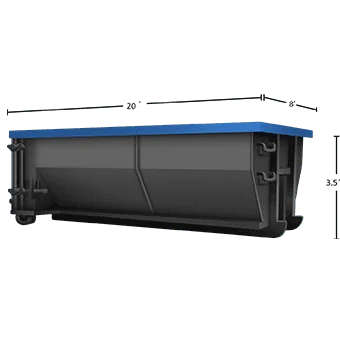
An open-top roll-off container can support an agreed debris-loading job. Its position has to work for two different routes: people or equipment bringing material to it, and the provider handling the container. A short carrying distance alone does not make a workable placement.
Describe accepted materials, approximate volume and density, the loading method and the period of work. Ask about the actual container and load conditions; a part-empty container may still be unsuitable for additional dense material.
Keep unaccepted or unknown items separate. Assign one contact to communicate loading instructions and request clarification before the load changes.
Compare the two routes
A position close to the building may shorten carrying but block handling or recovery. A position convenient for the truck may interrupt an essential pedestrian or restroom route. Review both effects with the property controller and provider.
Have the provider assess actual ground, overhead and handling clearance and any required loading boundary. Resolve permission for public or shared space before delivery; do not infer it from an empty parking area.
Preserve collection conditions
Keep loose material away from the working area and follow the agreed loading limits. Do not move the container yourself. If parked vehicles, fencing or stored materials change the approach, coordinate the correction before collection.
Confirm the rental period, delivery, pickup, disposal or weight terms and any separately agreed movement or extra work in the quote. Name who checks the intended load and who can authorise the final request.
Questions before you book
Should the container be as close to the door as possible?
Compare the carrying route with the provider’s handling and recovery requirements. The closest position may block one of them.
Can an apparently empty space accept more heavy material?
Ask the provider about the agreed material and load conditions. Volume alone does not establish a suitable load.